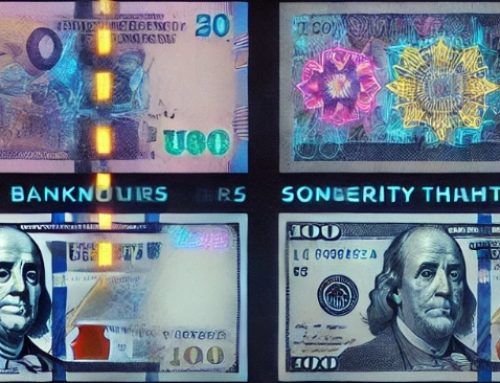
UV lamps are widely used for currency verification, gem inspection, and forensic applications. However, not all UV lamps are created equal. Fake or low-quality lamps can produce weak UV light, fail safety standards, and shorten device lifespan. For businesses and professionals relying on UV lamps, purchasing the right product is critical.
This guide covers the key signs, specifications, and tests to identify a fake or low-quality UV lamp.

1. Check the UV Wavelength Specification
UV lamps emit light at specific wavelengths. Low-quality or counterfeit products often misrepresent their wavelength, which affects performance.
| UV Lamp Type | Effective Wavelength | Common Applications |
|---|---|---|
| UVA | 320–400 nm | Fluorescent inspection, counterfeit detection |
| UVB | 280–320 nm | Medical therapy, certain chemical reactions |
| UVC | 200–280 nm | Sterilization and germicidal use |
Tip: Verify the wavelength on the manufacturer’s datasheet. For counterfeit-proof verification, use a UV light meter.
Reference on UV standards:
https://www.iec.ch/dyn/www/f?p=103:85:0::::FSP_LANG_ID:25
2. Inspect Build Quality and Materials
Fake or low-quality UV lamps often cut costs on materials. Signs to watch for:
- Thin plastic housing instead of sturdy aluminum
- Poorly fitted components or visible glue
- Fragile or loose wiring
- No grounding for electrical safety
Tip: High-quality UV lamps use durable materials and have proper safety insulation.
3. Verify Certification and Compliance
Legitimate UV lamps usually carry certifications. Missing or fake certifications are red flags.
| Certification | Purpose | Notes |
|---|---|---|
| CE | European safety standard | Required for EU sales |
| RoHS | Restriction of hazardous substances | Ensures safe materials |
| FCC | Electromagnetic interference compliance | Mainly for electronics |
| UL / ETL | Electrical safety testing | Optional but a trust signal |
Tip: Always request official documentation and check certificates via the issuing agency’s website.
4. Evaluate Light Intensity and Coverage
Low-quality UV lamps often underperform in output and coverage. Indicators:
- Uneven UV beam or dark spots
- Weak fluorescence reaction on currency or gems
- Lamp feels hot quickly or flickers
Tip: Compare lumens or μW/cm² ratings across products. Legitimate lamps often provide measured UV intensity values.
5. Test with Known Reference Materials
Using reference materials can help identify substandard lamps:
- Currency with UV security threads – check for fluorescence
- UV-reactive ink or powder – observe color intensity
- Fluorescent gems – ensure clear glow
Fake lamps often fail these tests or require prolonged exposure for minimal effect.
6. Price vs. Quality Analysis
While price alone isn’t definitive, extremely low-cost UV lamps often compromise performance and safety. A reasonable price range depends on lamp type:
| Lamp Type | Typical Price Range | Notes |
|---|---|---|
| Handheld UV lamp | $20–$50 | High-quality aluminum or ABS |
| Desk or bench UV lamp | $50–$150 | Includes proper shielding and optics |
| Industrial UV lamp | $150+ | High-output, certified, durable |
Tip: If a UV lamp is significantly cheaper than market standards, verify specifications carefully.
7. Seller Reputation and Reviews
Buying from unverified sellers increases risk. Recommendations:
- Purchase from reputable distributors or manufacturers
- Check user reviews and ratings on multiple platforms
- Avoid lamps with no warranty or support