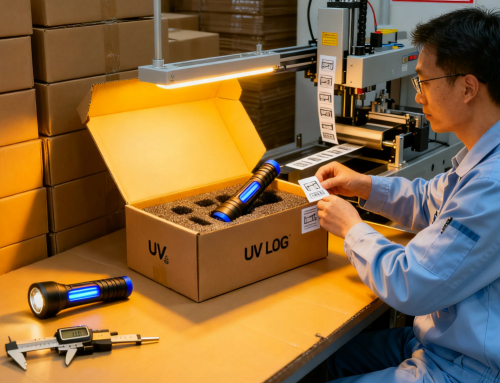
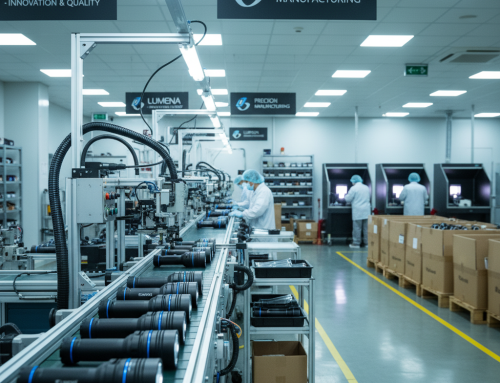
Flashlights are essential tools used in a wide variety of settings, from everyday carry (EDC) flashlights to specialized tactical lighting used by military and emergency services. Given their wide range of applications and importance in safety, quality control and testing are crucial aspects that flashlight suppliers take very seriously.
In this article, we’ll explore how flashlight suppliers ensure quality control throughout the manufacturing process, from raw materials to finished products. We’ll discuss the testing procedures and methods used to verify performance, durability, and safety.
1. The Importance of Quality Control in Flashlight Manufacturing
Quality control (QC) ensures that flashlights meet industry standards and customer expectations. Flashlight manufacturers must assess both functionality and durability, as these products are often used in critical situations where reliability is essential.
Key Aspects of Quality Control:
| Aspect | Description |
|---|---|
| Durability | Ensures the flashlight can withstand drops, impacts, and harsh conditions. |
| Brightness & Light Output | Verifies the flashlight provides the intended lumen output for its application. |
| Battery Life & Efficiency | Ensures the flashlight’s battery lasts as specified under normal usage. |
| Water Resistance | Confirms the flashlight’s ability to operate in wet or submerged environments. |
| User Safety | Verifies that all components, including batteries and electrical parts, are safe. |
Key Insights:
- A flashlight that fails during a critical moment can jeopardize safety, so ensuring reliable operation is paramount.
- Manufacturers implement rigorous quality control to identify potential issues before products reach the consumer.
2. Types of Quality Control Testing for Flashlights
Flashlight suppliers typically conduct various tests at different stages of production to ensure the finished product meets safety standards and performs as expected. Here are the most common tests that flashlight suppliers use:
a. Drop Tests
Flashlights are often used in rugged environments, so suppliers perform drop tests to ensure that the flashlight can withstand falls from a certain height.
| Test Type | Objective | Standard Used |
|---|---|---|
| Drop Test | To test the flashlight’s resistance to impact. | MIL-STD-810G (military standard) |
| Procedure | Flashlight is dropped from various heights (1.5m, 2m) onto hard surfaces. |
Key Insights:
- Drop tests ensure that flashlights continue to function after falls.
- Flashlight housings made from aluminum alloys or impact-resistant materials pass these tests successfully.
b. Water Resistance Tests (IP Rating)
Flashlights must be able to function in various environmental conditions, including wet or submerged environments. Water resistance is tested using the IP (Ingress Protection) rating system, which measures how well a flashlight can withstand exposure to water.
| Test Type | Objective | Standard Used |
|---|---|---|
| Water Resistance Test | To ensure the flashlight can operate underwater. | IP67 or IP68 rating |
| Procedure | Flashlight is immersed in water for a set period (e.g., 30 minutes). |
Key Insights:
- Flashlights with IP67 or IP68 ratings can withstand being submerged in water up to 1 meter and 2 meters, respectively.
- Flashlight suppliers often test with varying pressure and conditions to replicate real-world environments.
c. Battery Life and Performance Tests
Testing battery life and performance is crucial for rechargeable flashlights. Flashlight manufacturers perform battery drain tests to check the flashlight’s runtime and its efficiency with different types of batteries.
| Test Type | Objective | Standard Used |
|---|---|---|
| Battery Endurance Test | To measure the battery life under various brightness settings. | Manufacturer specifications |
| Procedure | Battery is drained under normal usage conditions until the flashlight turns off. |
Key Insights:
- Flashlight suppliers use tests to simulate normal usage conditions and estimate runtime.
- Long-lasting batteries ensure the flashlight will perform in critical situations, such as emergency scenarios.
3. Compliance with International Standards
Flashlight suppliers must ensure that their products comply with international safety and performance standards. These standards are in place to ensure that flashlights are safe for consumers and effective in the field.
Common Standards for Flashlight Quality:
| Standard | Description |
|---|---|
| CE Certification | Ensures compliance with European Union health, safety, and environmental standards. |
| RoHS Compliance | Restricts the use of hazardous substances in electronics. |
| ISO 9001 | Ensures quality management systems are in place for consistent product quality. |
| UL Certification | Certifies electrical safety and performance standards. |
Key Insights:
- Compliance with ISO 9001 and CE certification ensures that a flashlight supplier’s products meet international quality standards.
- RoHS compliance guarantees that flashlights are free from harmful materials like lead and mercury.
4. Final Product Inspection
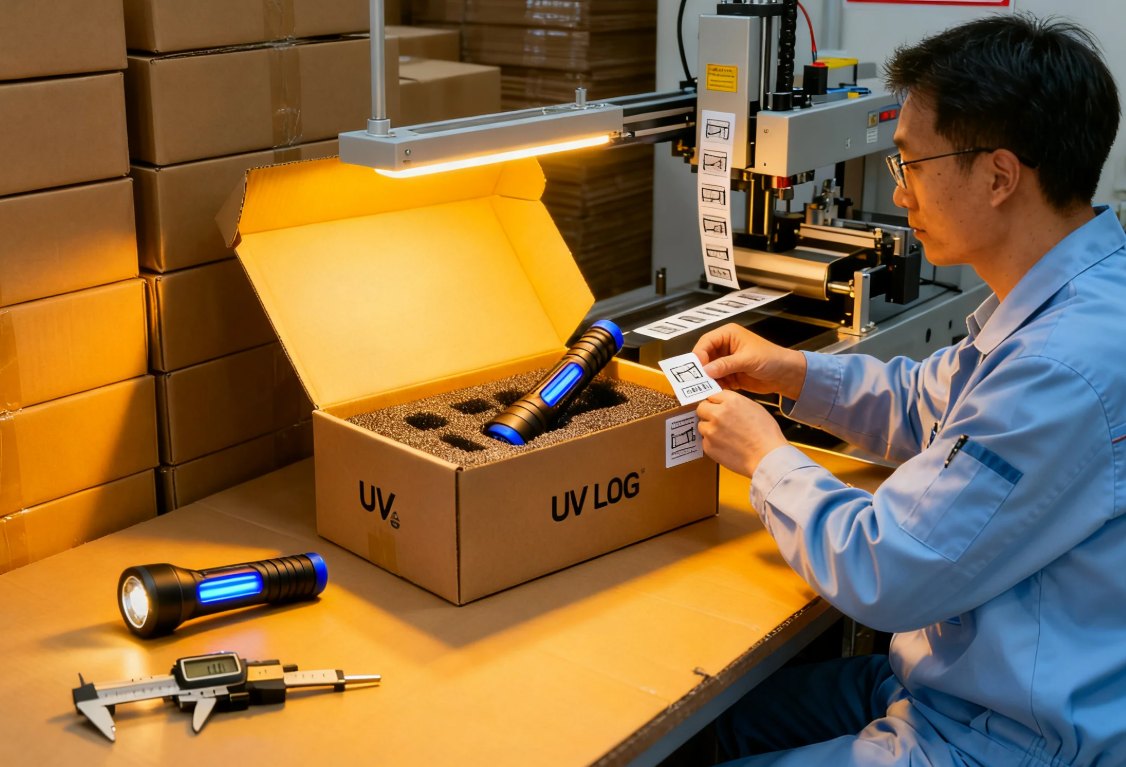
Once the flashlight has passed various tests, it undergoes a final inspection to ensure that it meets all the necessary specifications and is free from any defects. This inspection process involves a combination of manual and automated checks.
Final Inspection Steps:
| Step | Action |
|---|---|
| Physical Inspection | Visual check for defects, scratches, or damaged parts. |
| Performance Check | Verifying the flashlight’s brightness, battery life, and water resistance. |
| Packaging Check | Ensuring that all components are correctly packaged and labeled. |
Key Insights:
- Manual inspection catches defects that may not be picked up by machines.
- Automated tests are used to confirm that the flashlight operates within the correct specifications before being shipped.
5. Customer Feedback and Continuous Improvement
Even after the flashlight is released into the market, suppliers continue to monitor its performance through customer feedback. If issues arise, manufacturers can implement design improvements in future batches.
| Feedback Type | Action |
|---|---|
| Customer Feedback | Collect data on any issues with performance or durability. |
| Quality Control Adjustments | Modify design and materials based on feedback. |
Key Insights:
- Continuous customer feedback helps suppliers improve the product.
- Regular design revisions ensure that future models are even more reliable and efficient.
Conclusion: Ensuring Reliable Flashlights with Rigorous Testing
Quality control and testing are critical for ensuring that flashlights perform reliably under tough conditions. Flashlight suppliers invest in extensive testing procedures such as drop tests, water resistance testing, battery performance assessments, and compliance with international standards to guarantee the highest level of quality. By maintaining strict quality control processes, suppliers ensure that their products meet the needs of customers who rely on them in critical situations.