UV ink detection is a critical technology widely used in security, packaging, and quality inspection. By utilizing ultraviolet (UV) light, hidden ink patterns or codes become visible, enabling authentication and verification that cannot be achieved under normal lighting conditions. This makes UV ink detection one of the most reliable methods for preventing counterfeiting and ensuring product integrity.
How UV Ink Detection Works
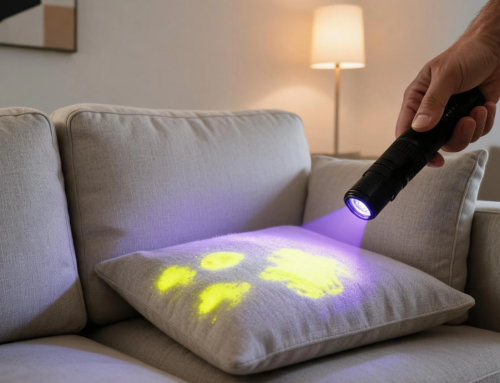
UV inks contain fluorescent or phosphorescent compounds that react when exposed to UV blacklight. Under standard daylight, these inks appear invisible or faint. However, when illuminated with a UV flashlight or lamp, the ink glows brightly, revealing hidden texts, barcodes, or logos.
| Feature | Explanation |
|---|---|
| Ink Composition | Made with fluorescent or phosphorescent pigments |
| Light Source | UV-A (365nm–395nm) is most commonly used |
| Visibility | Invisible or nearly invisible in normal light |
| Activation | Fluorescent reaction under UV exposure |

Applications of UV Ink Detection
UV ink detection plays a vital role in multiple industries:
- Security & Anti-Counterfeiting – Used on banknotes, ID cards, and passports. For example, many countries incorporate UV-reactive ink in currency to fight counterfeiting (see more on banknote security features).
- Brand Protection – Helps brands protect against product forgery by embedding UV-detectable logos in packaging.
- Event Ticketing & Access Control – Tickets and wristbands often use UV ink to validate entry.
- Quality Control – Manufacturers apply UV-coded labels to track production batches.
- Medical & Forensics – Used to mark and detect samples or evidence discreetly.
Advantages of UV Ink Detection
| Benefit | Why It Matters |
|---|---|
| High Security | Difficult for counterfeiters to replicate |
| Low Cost | UV flashlights are affordable and easy to use |
| Durability | Resistant to tampering and environmental exposure |
| Versatility | Works on paper, plastic, textiles, and metals |
UV Ink Detection vs Other Methods
| Method | Pros | Cons |
|---|---|---|
| UV Ink Detection | Cost-effective, easy verification, invisible to the naked eye | Requires UV light source |
| Holograms | Highly visible and eye-catching | Can be copied with advanced printing tech |
| RFID Tags | Trackable, secure | Higher cost and requires scanners |
| Watermarks | Permanent, integrated in paper | Less effective on plastic/packaging |
Tools Needed for UV Ink Detection
To detect UV inks effectively, you’ll need:
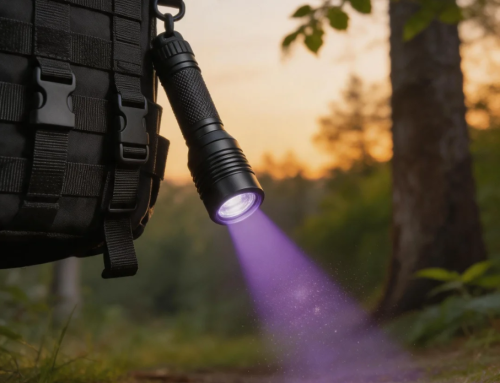
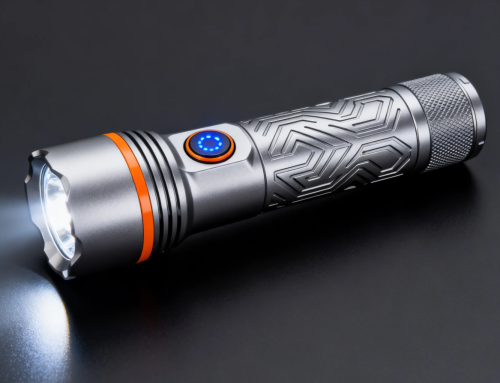
- UV Flashlights (365nm or 395nm wavelengths) – Ideal for quick inspections.
- Stationary UV Lamps – Common in security and quality control facilities.
- Protective Glasses – Recommended for extended inspections to reduce eye strain.
Final Thoughts
UV ink detection remains one of the most effective, affordable, and versatile anti-counterfeiting technologies. Whether you are protecting currency, verifying product authenticity, or conducting forensic inspections, UV ink provides a reliable layer of security. With the right UV flashlight, anyone can authenticate items quickly and efficiently.