
Ultraviolet lighting technology is widely used across industries such as industrial inspection, forensic investigation, resin curing, leak detection, and mineral analysis. However, many buyers struggle to decide between a UV lamp and a UV flashlight.
While both tools emit ultraviolet light, they are designed for different purposes and environments. Businesses often consult a Professional Flashlight Manufacturer to determine the best UV solution for their applications.
This guide compares UV lamps and UV flashlights in detail to help you choose the right option.
Understanding UV Lamps and UV Flashlights
What Is a UV Lamp?
A UV lamp is typically a stationary or large-area ultraviolet lighting device designed for continuous illumination.
Common Characteristics
- Wide-area coverage
- Higher power output
- Fixed installation or tabletop use
- Suitable for industrial and laboratory environments
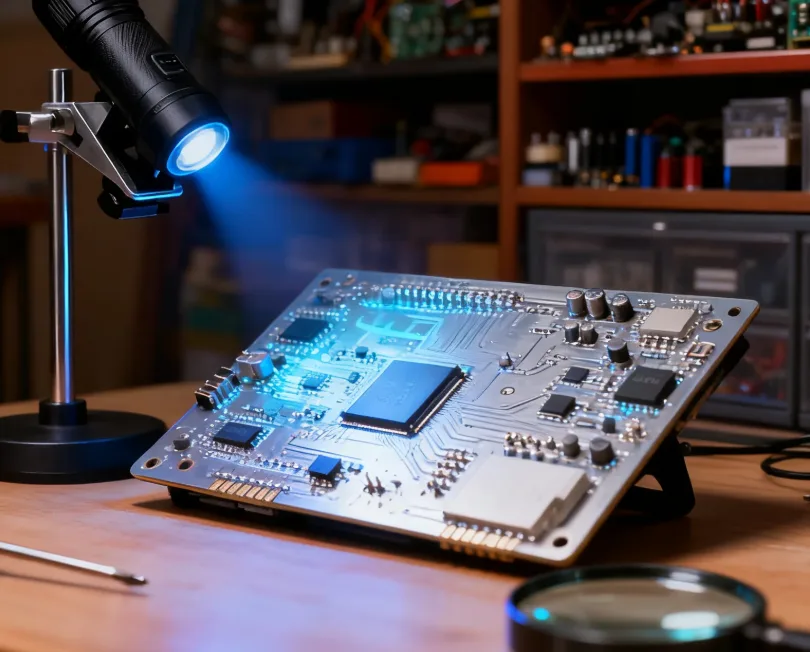
What Is a UV Flashlight?
A UV flashlight is a portable handheld UV lighting tool designed for mobility and focused inspection.
Common Characteristics
- Compact and portable
- Directional beam
- Battery-powered or rechargeable
- Ideal for field inspections and spot detection
Key Differences Between UV Lamps and UV Flashlights
| Feature | UV Lamp | UV Flashlight |
|---|---|---|
| Portability | Low | High |
| Coverage area | Wide | Focused |
| Power source | AC power | Battery/rechargeable |
| Application flexibility | Limited | High |
| Beam control | Moderate | Excellent |
365nm vs 395nm UV Technology
Both UV lamps and flashlights commonly use these wavelengths.
| Wavelength | Characteristics | Best Use |
|---|---|---|
| 365nm | High fluorescence accuracy | Professional inspection |
| 395nm | Visible purple light | General-purpose use |
For professional detection work, 365nm remains the preferred choice.
Best Applications for UV Lamps
1. Resin and Adhesive Curing
UV lamps provide broad, even exposure ideal for curing applications.
Benefits
- Uniform illumination
- Faster curing
- Continuous operation
2. Laboratory and Scientific Use
Labs often require stable UV output for controlled testing.
Common Uses
- Sample analysis
- Biological research
- Sterilization systems
3. Industrial Production Lines
UV lamps are frequently integrated into automated manufacturing systems.
| Application | Advantage |
|---|---|
| Coating curing | Fast processing |
| Printing systems | Consistent UV exposure |
| Surface treatment | Wide-area efficiency |
Best Applications for UV Flashlights
1. Industrial Inspection
UV flashlights excel in portable inspection tasks.
Common Uses
- Non-destructive testing (NDT)
- Crack detection
- Leak identification
2. Forensic Investigation
Portable UV flashlights allow investigators to examine evidence in the field.
Benefits
- Mobility
- Precision targeting
- Flexible beam positioning
3. Mineral Hunting and Gem Identification
UV flashlights are popular among geologists and hobbyists.
Why They Work Well
- Easy outdoor portability
- Focused beam intensity
- Rechargeable convenience
4. Automotive Leak Detection
UV flashlights are ideal for tracing fluorescent dyes in vehicles.
| Inspection Task | Preferred Tool |
|---|---|
| Oil leak detection | UV flashlight |
| AC refrigerant leak | UV flashlight |
UV Lamp vs UV Flashlight by Industry
| Industry | Better Option | Reason |
|---|---|---|
| Manufacturing | UV lamp | Wide coverage |
| Forensics | UV flashlight | Portability |
| NDT inspection | UV flashlight | Precision |
| Resin curing | UV lamp | Consistent exposure |
| Mineral hunting | UV flashlight | Field mobility |
Portability Comparison
| Feature | UV Lamp | UV Flashlight |
|---|---|---|
| Weight | Heavy | Lightweight |
| Field use | Limited | Excellent |
| Power dependency | Requires outlet | Rechargeable |
Portable inspection tasks strongly favor UV flashlights.
Energy Efficiency and Maintenance
UV Lamps
- Higher power consumption
- Longer continuous operation
- More maintenance requirements
UV Flashlights
- Energy-efficient LED systems
- Lower operational costs
- Easier maintenance
For LED efficiency information, visit:
https://www.energy.gov/energysaver/led-lighting
Cost Comparison
| Product Type | Price Range |
|---|---|
| Basic UV flashlight | $10 – $30 |
| Professional UV flashlight | $50 – $200+ |
| Industrial UV lamp | $100 – $1,000+ |
UV lamps generally require higher investment.
Durability and Environmental Resistance
Professional UV flashlights often include:
- IPX waterproof ratings
- Impact-resistant housings
- Aircraft-grade aluminum bodies
A Professional Flashlight Manufacturer can customize these features for industrial environments.
Advantages and Limitations
UV Lamp Pros
- Wide-area illumination
- Stable continuous output
- Excellent for curing applications
UV Lamp Cons
- Less portable
- Higher energy use
- More expensive setup
UV Flashlight Pros
- Portable and versatile
- Lower power consumption
- Better for targeted inspections
UV Flashlight Cons
- Limited coverage area
- Shorter continuous runtime
Future Trends in UV Lighting Technology
Emerging Innovations
- Smart UV intensity control
- Rechargeable high-output UV flashlights
- Multi-spectrum UV devices
- Energy-efficient UV LEDs
How to Choose the Right UV Solution
Choose a UV Lamp If You Need:
- Large-area illumination
- Continuous industrial operation
- Production-line integration
Choose a UV Flashlight If You Need:
- Portable inspection capability
- Precision targeting
- Field operation flexibility
Conclusion
Both UV lamps and UV flashlights play essential roles across industrial, scientific, and commercial applications. The best choice depends on your operational requirements, portability needs, and inspection environment.
For businesses requiring flexible, high-performance portable solutions, UV flashlights are often the superior choice. By working with a trusted Professional Flashlight Manufacturer, companies can customize UV lighting systems that deliver optimal performance, durability, and efficiency.


