Quality control (QC) plays a defining role in flashlight manufacturing. Whether you’re producing tactical flashlights, everyday carry (EDC) lights, or promotional custom models, maintaining consistent performance and durability is what separates reputable brands from low-grade suppliers.
This guide explains the key steps, tests, and factory processes required to ensure reliable quality control in flashlight production—complete with comparison tables and practical recommendations.
Why Quality Control Matters in Flashlight Manufacturing
A flashlight is more than a tube with LEDs—it’s a device that must be safe, reliable, and long-lasting. Poor QC leads to:
- Premature failure
- Battery leakage or overheating
- Low lumen output
- Water damage
- Customer returns and negative reviews
Brands like Olight, Nitecore, and Fenix maintain strong reputations precisely because of their rigorous QC procedures. For reference, you may check standardized benchmarks via organizations such as ANSI/NEMA FL1 (flashlight performance standards):
https://www.nema.org
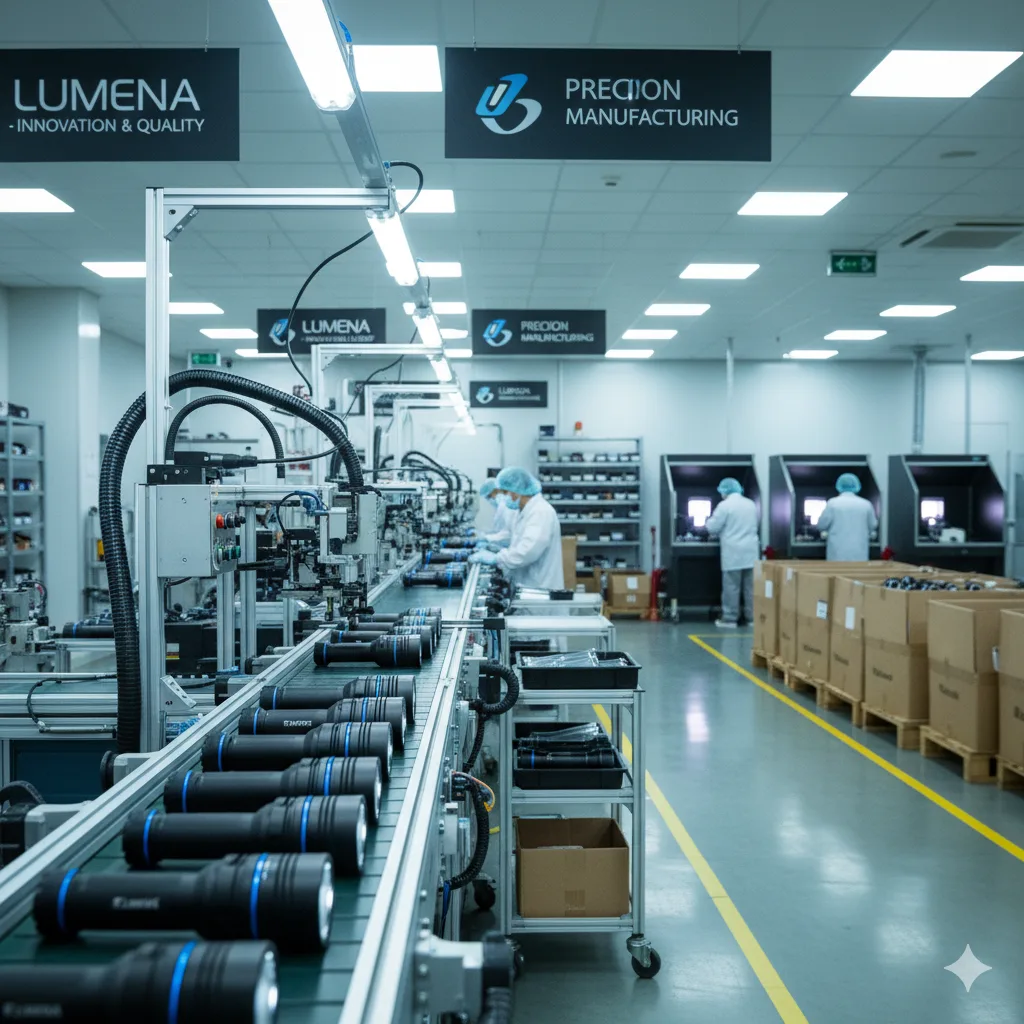
Key Stages of Quality Control in Flashlight Production
1. Material Inspection: Metals, LEDs & Components
Quality starts at the component level. Every batch of materials must be verified before assembly.
Key Material Checks
| Component | Quality Criteria | Common Problems |
|---|---|---|
| Aluminum Body (6061/7075) | Hardness, machining tolerance, anodizing thickness | Scratches, weak threads, uneven finish |
| LED Chip | Authenticity (CREE, OSRAM, Nichia), flux bin, color temperature | Fake LEDs, inconsistent tint |
| Lens & Reflector | Clarity, coating, alignment | Yellowing, distortion |
| Battery & Contacts | Voltage stability, internal resistance | Overheating, poor connectivity |
Tip: Ask manufacturers for material certifications or supplier traceability documents.
2. Assembly Process Control
A well-designed flashlight can still fail if assembly is inconsistent.
Critical Assembly QC Points
- Proper LED centering to ensure beam uniformity
- Driver board secure soldering
- O-ring lubrication and correct placement
- Proper threading, torque, and lubrication on body tube
- Battery polarity protection installation
Factories should use SOPs (Standard Operating Procedures) for each stage, ensuring every worker follows controlled steps.
3. Electrical Performance Testing
Electrical testing ensures the light actually performs as specified.
Essential Electrical QC Tests
| Test | Purpose | Measurement |
|---|---|---|
| Lumen Output Test | Verify brightness accuracy | Comparing against ANSI FL1 standards |
| Runtime Test | Ensure sustained power performance | Temperature monitoring included |
| Current Stability Test | Check driver efficiency | Multimeter and oscilloscope |
| Overheat Protection Test | Validate thermal regulation | Forced high-output testing |
Some manufacturers use integrating spheres, which measure lumen output with high accuracy.
4. Durability & Mechanical Testing
High-quality flashlights must withstand real-world conditions.
Standard Durability Tests
- Drop Test (1–2 meters, multiple angles)
- Waterproof Test (based on IPX standards)
- IPX4: splash-proof
- IPX7: 1m submersion
- IPX8: deep submersion
- Vibration Test for shipping safety
- Heat Cycling Test (extreme hot/cold)
- Twist & Torque Test for threads and switches
Guidelines for IP ratings can be referenced here:
https://www.iec.ch
5. Aging Test (Burn-In Testing)
Before packaging, high-quality factories run aging tests:
- Flashlights operate for 2–12 hours continuously
- Identifies flickering, overheating, and driver instability
- Helps eliminate early-life failures
This is especially important for tactical flashlights used by law enforcement or industrial teams.
6. Cosmetic Inspection
Not every QC check is technical. Appearance affects brand reputation.
Common Cosmetic QC Items
- Uniform anodizing
- Clean laser engraving
- No dents or scratches
- Centered pocket clip
- Lens free of dust and fingerprints
Factories usually follow AQL standards for acceptable defect levels.
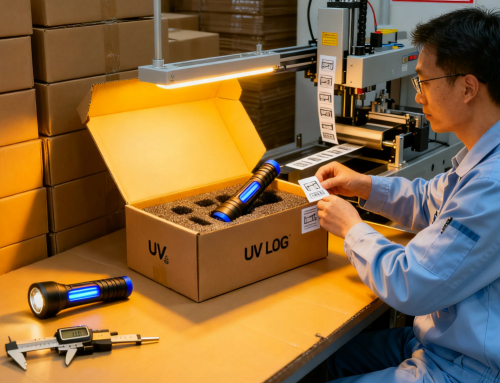
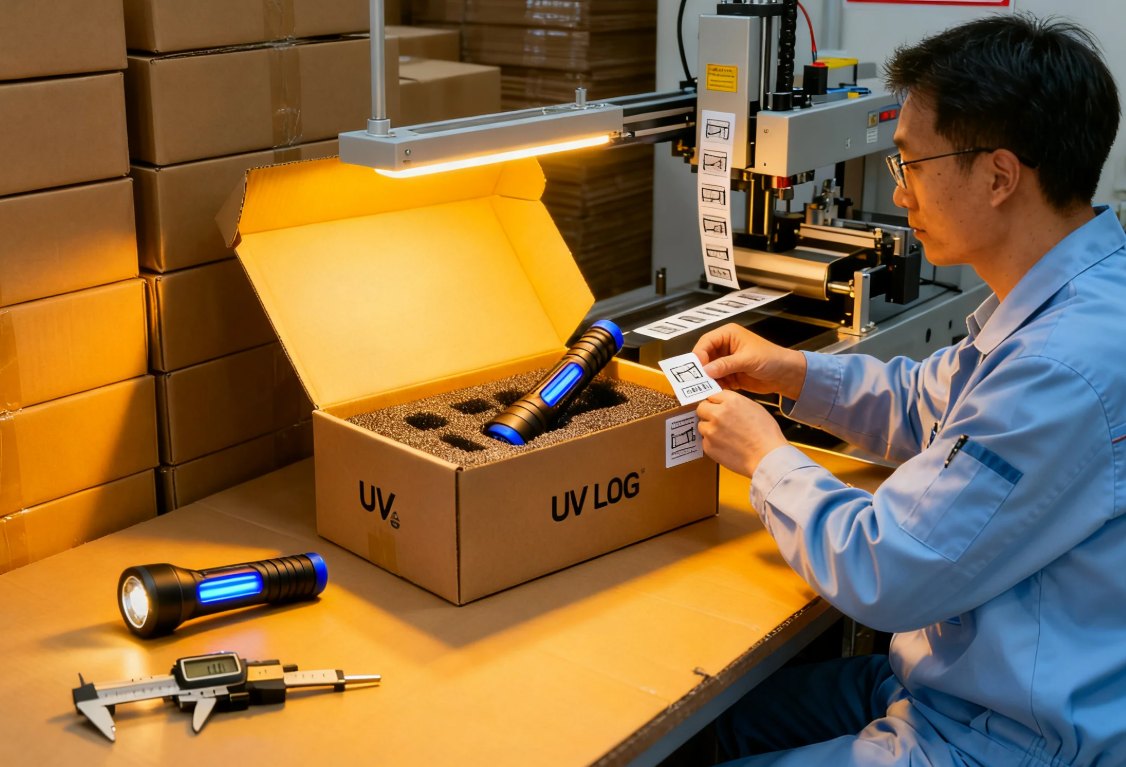
7. Packaging & Final Functional Testing
Each flashlight must undergo a final check, including:
- Power-on test
- Mode switching test
- Battery fit test
- Accessory completeness
Proper packaging ensures the product survives global transport without damage.
Comparison: Good vs Poor Quality Control in Flashlight Production
| QC Category | Strong QC (Recommended) | Weak QC (High Risk) |
|---|---|---|
| LED Selection | Authentic branded LEDs | Low-cost generic chips |
| Waterproof Protection | Dual O-rings, IPX7/IPX8 testing | No water testing |
| Assembly | SOPs and skilled workers | Random, inconsistent assembly |
| Aging Test | 100% burn-in testing | No aging test |
| Material Verification | Supplier certification | Unknown suppliers |
| Driver Testing | Temperature & current monitoring | Basic output check only |
How to Choose a Reliable Flashlight Manufacturer
When sourcing a manufacturer, evaluate:
- Factory Audit Reports (BSCI, ISO9001)
- Availability of Test Equipment (integrating sphere, IPX chamber)
- Ability to Provide QC Photos and Videos
- Clear QC Workflow Documentation
- MOQ, lead time, and customization capability
A trustworthy factory will openly share their QC process—and encourage you to request samples.
Conclusion
Ensuring quality control in flashlight production requires systematic inspection from material sourcing to final packaging. Brands that invest in proper QC reduce returns, increase customer trust, and deliver safer, more reliable products.
Whether you’re producing custom promotional flashlights or high-performance tactical lights, consistent QC is the backbone of successful flashlight manufacturing.